
Bibliotherapy started out as a creative arts approach to therapy. Using the power of the printed word and storytelling to help an individual process trauma or address difficult issues in their life. It has evolved over the years to also include the simple idea of indulging in an ‘escape read’ – literally getting away from reality for awhile by slipping into a fictional world (and isn’t that tempting these days?!)
Way back when I worked as a librarian at my school board’s Central Resource Centre, one of my jobs was to create bibliotherapy kits teachers could borrow when they were presented with a student, or students, dealing with a difficult situation. The kits were an age appropriate mix of fiction and non-fiction on various subjects like:
- grief (oddly specific ‘loss of a pet’ included)
- divorce
- blended families
- social anxiety
- shyness
- racism
- autism
- mental health issues
- cancer
- bullying
The teachers would share the books in a class setting and/or send some of them home with the child in need. The non-fiction books were great starting points for discussion but we found that fiction made the most transformative impact. Especially when a picture book or novel was shared with the whole class.
Example: A grade two child was exhibiting anti-social behaviour stemming from the upset of his parents’ recent divorce. The teacher selected picture books and short novels from our bibliotherapy kit to share with the whole class during their regular story times. The benefits were twofold: first, the student experiencing the upheaval of divorce in his family, saw himself in these stories. He wasn’t alone. Not only did he see himself in these stories, his friends did as well.
Which brings me to the second benefit: his classmates developed (and this really blew us all away) empathy for the boy who was upturning play areas or pushing and shoving in line etc. Instead of escalating the conflict, they demonstrated patience and understanding (these were seven year old kids!) Were the behaviour problems magically solved overnight? No. But they grew less frequent and didn’t escalate, largely because ‘Jonny’s classmates chose not to retaliate. Why? They understood that he was sad, that there was a reason behind his actions and they simply accepted that, which, in turn, calmed ‘Jonny’ down.
Why is this our conversational topic this week? Well, we’re all about the power of words, the power of story here at Best Reads. And did you know that reading fiction actually increases your capacity to empathize with others? Why? Because we live thousands of life experiences through our beloved fictional characters. Our brains actually emotionally connect to fictional experiences as if they were our own, increasing our understanding and the compassion we in turn, extend to others. Is that cool or what? And goodness, but we need a lot of that in this crazy, mixed up world.
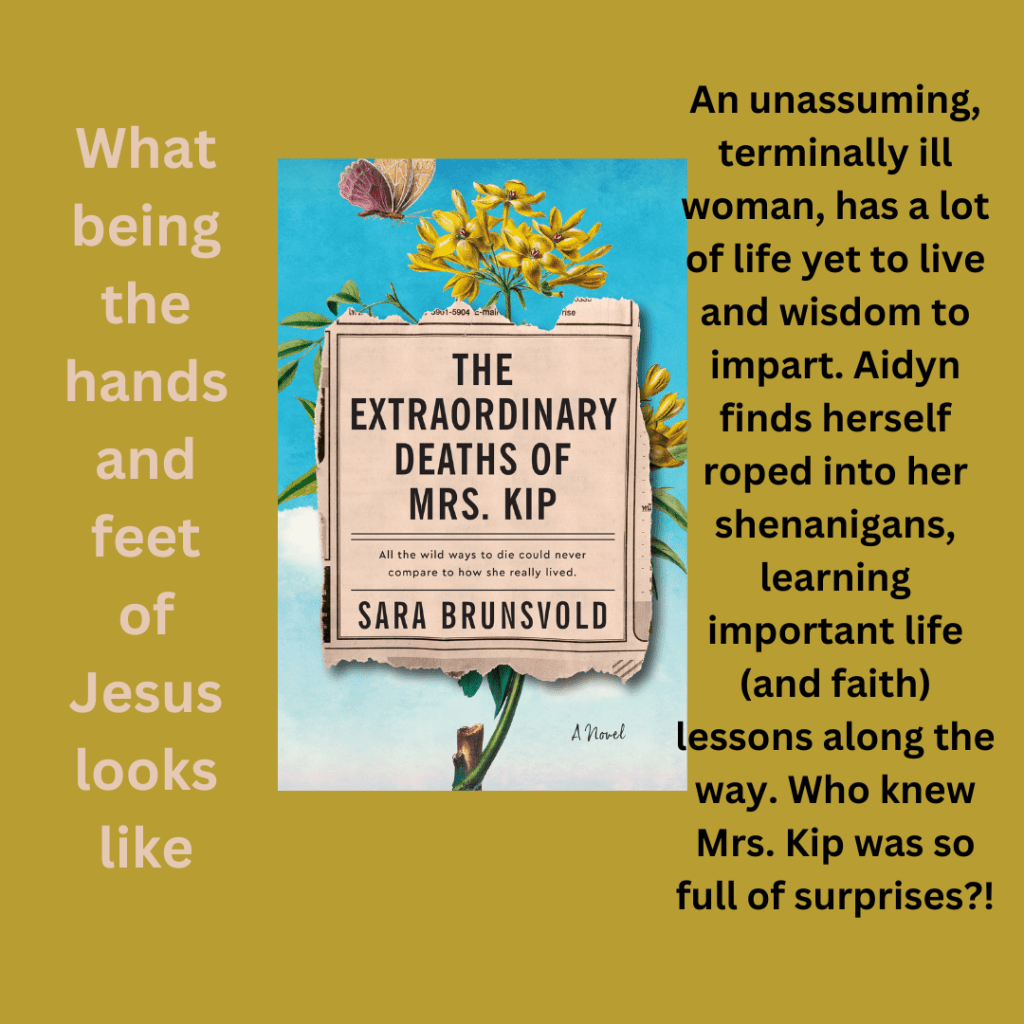
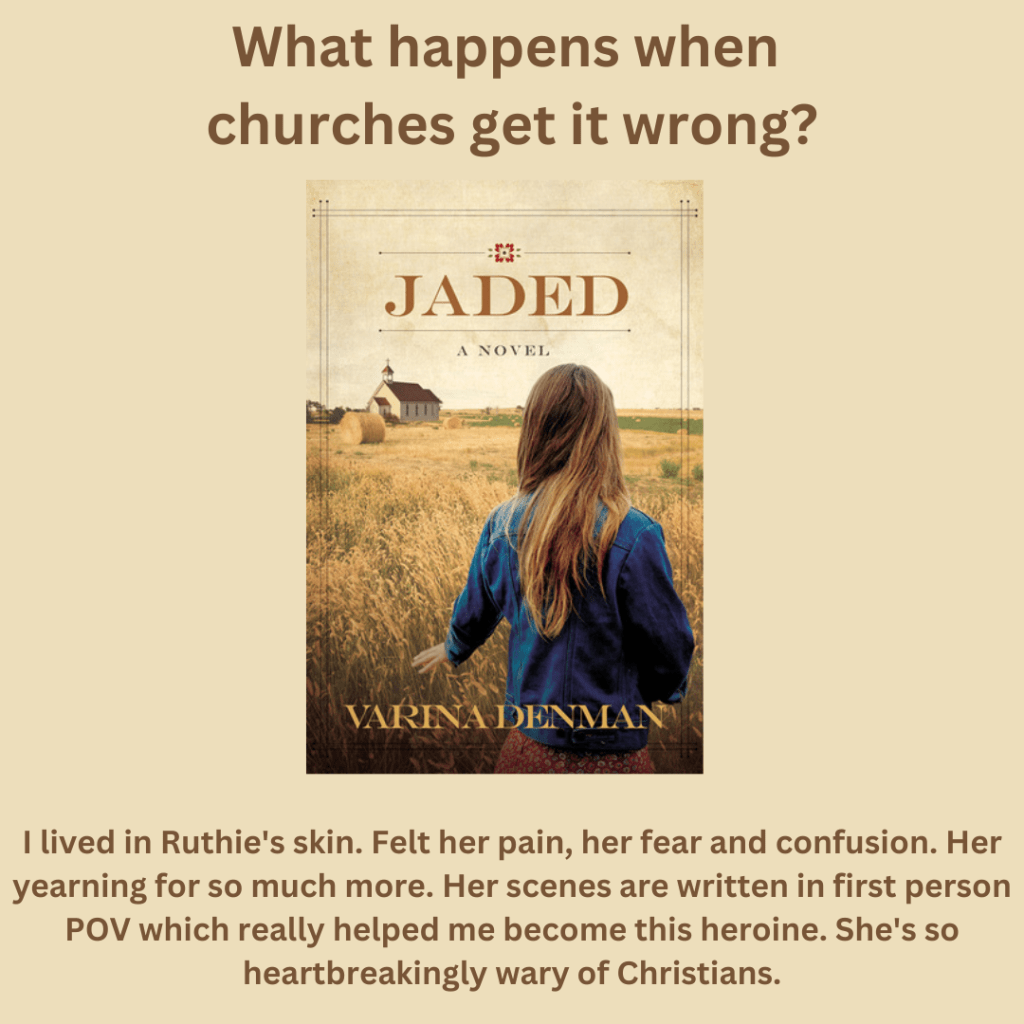
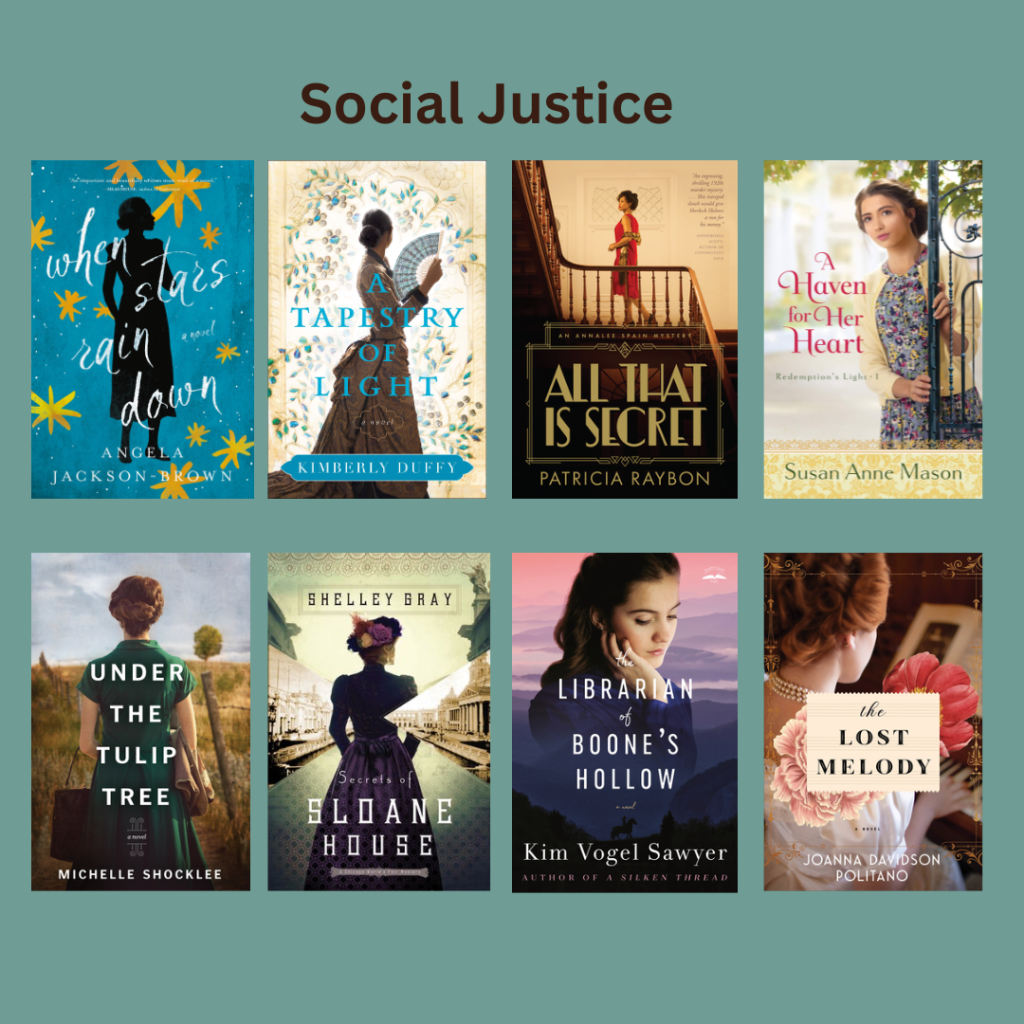
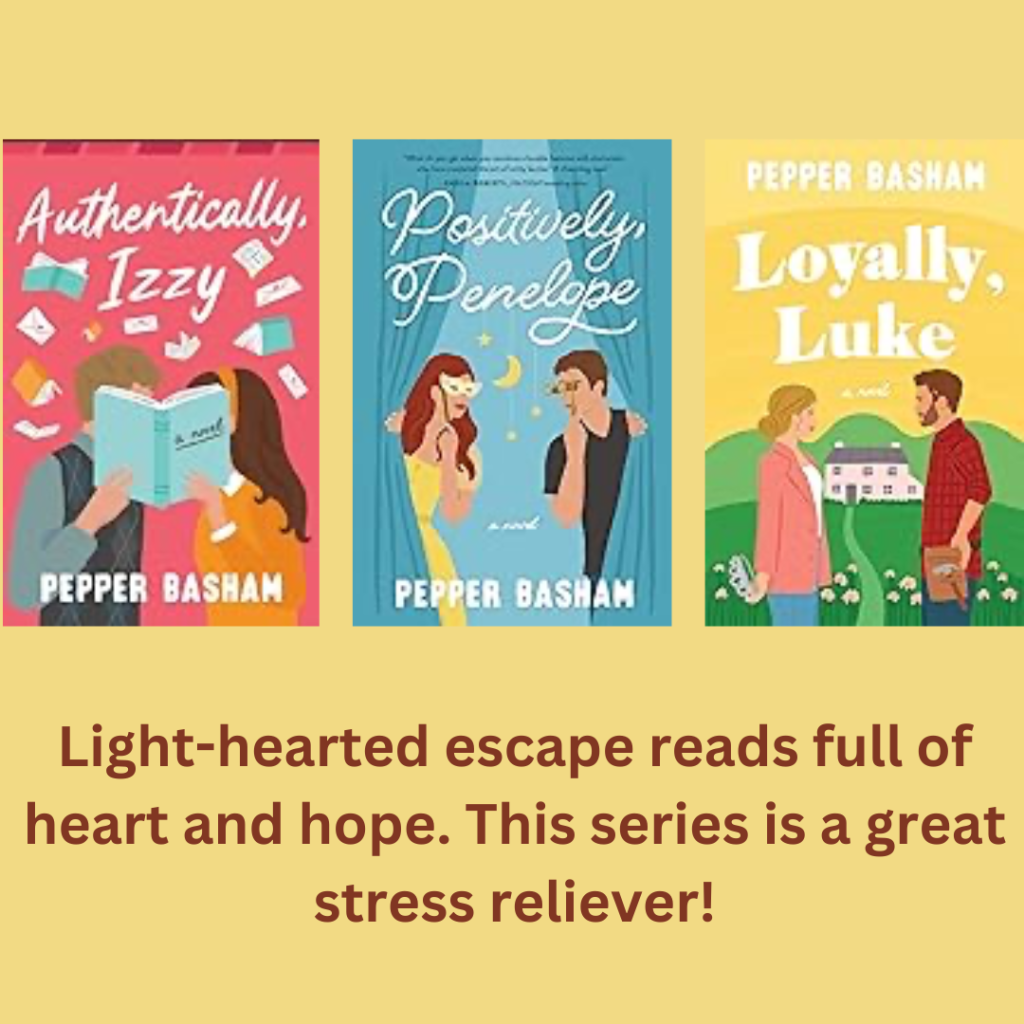
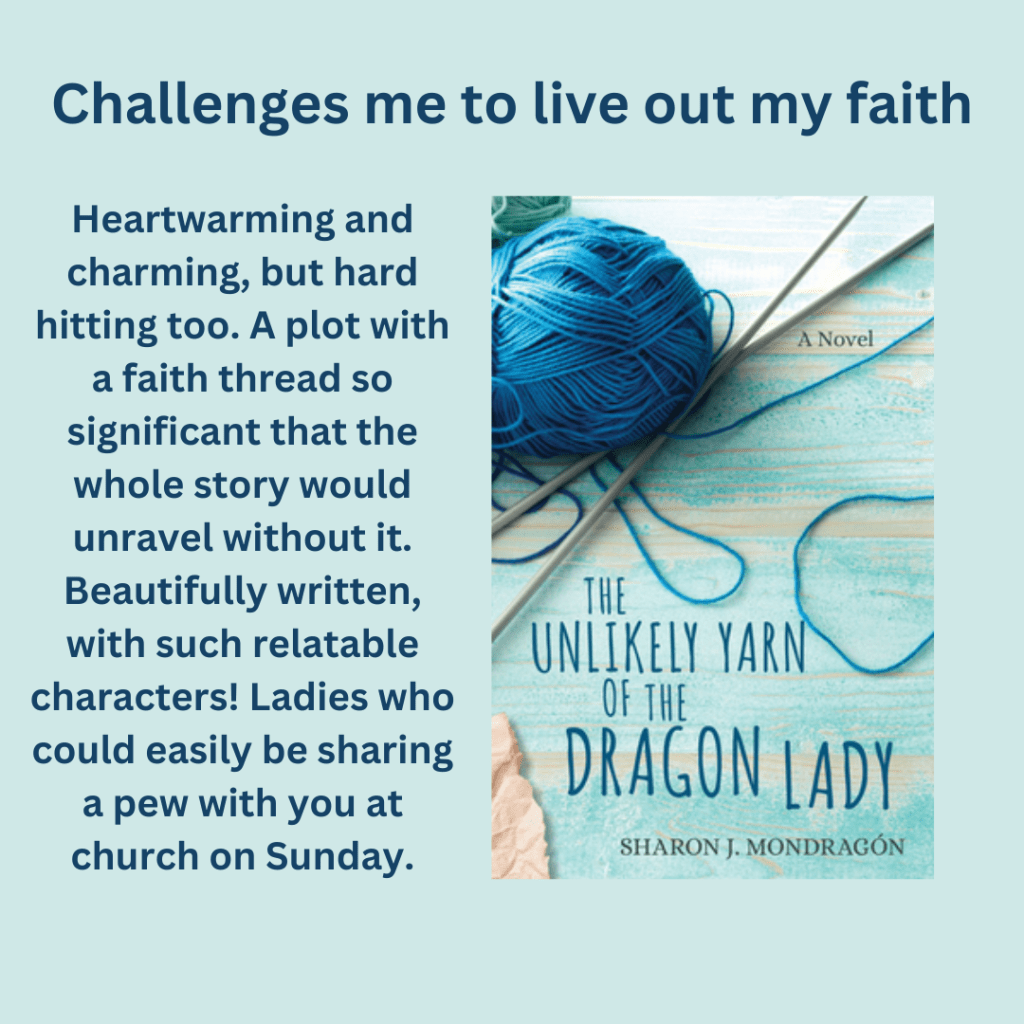
So, I thought it would be fun to share some of the Christian Fiction books that have made a profound impact on us. Our faith, our understanding of an issue, a historical perspective or even provided a comforting escape from the rigours of our own lives.
I’m through being wordy, I promise! I’m going to share some ‘bibliotherapy’ topics along with a book that influenced me. I’d love it if you’d share a Christian Fiction book that touched you so I can increase my personal bibliotherapy list. Put it in a comment along with any thoughts you might have, and I’ll enter you in a draw for a $10.00 ecard from our fave CF resource : Baker Book House!

Giveaway Opportunity for anyone willing to shop at https://bakerbookhouse.com
Draw will be held and winner announced on Saturday March 1 2025.