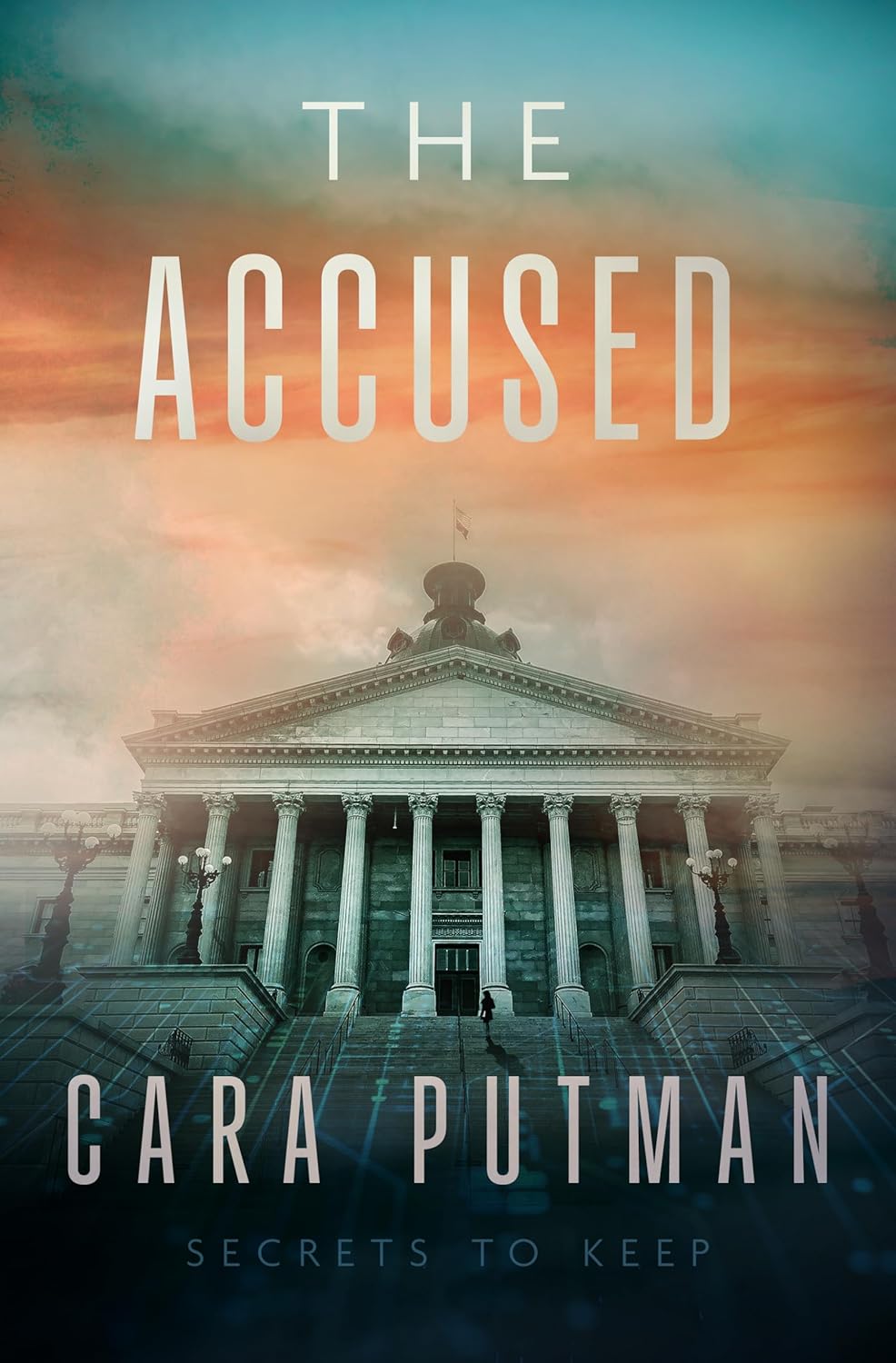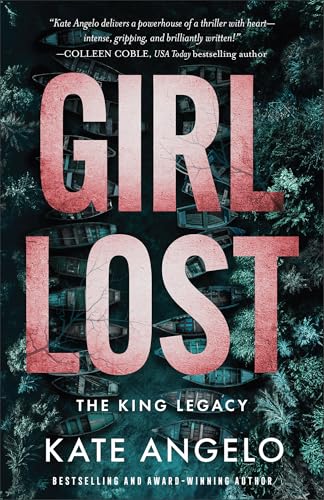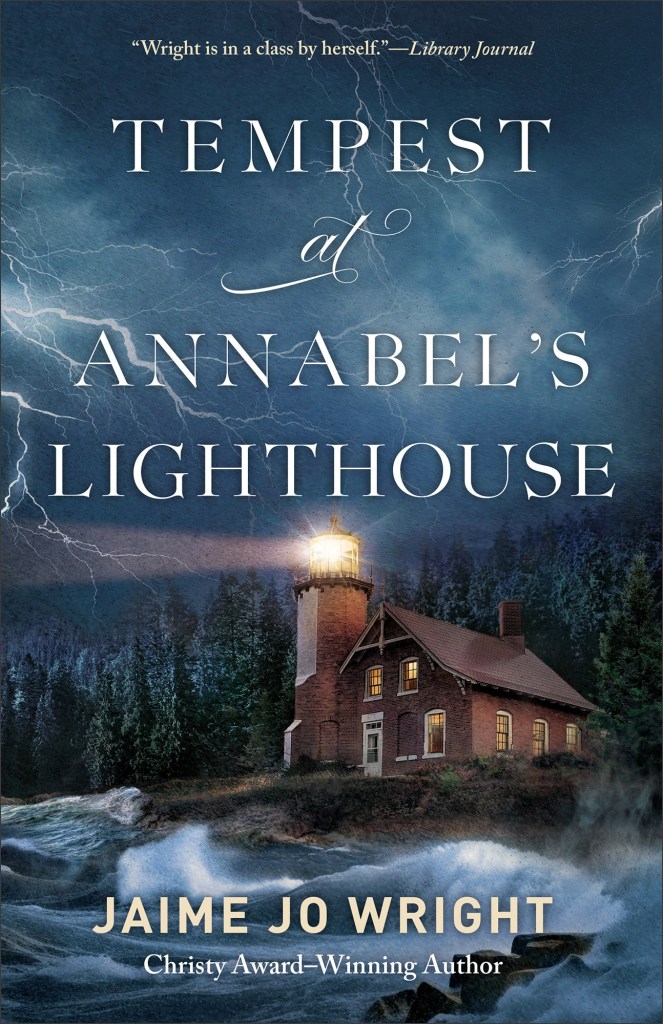
The Christy Award is destined to nurture creativity and quality in the writing and publishing of fiction written from a Christian worldview and showcase the diversity of genres. These 2026 finalists are books published in 2025.
You select one of the Short Form finalists you would like to receive if your name is drawn. Mention the title in a comment. If you win that’s the book that will be sent to you. Easy Peasy. Here are the finalists. (I have provided links to my reviews of the books I have read.)
IMPORTANT TO NOTE:
Giveaway details may vary with each book (print, ebook only or winner’s choice of either, plus audible options for Canadians.) Edition availability will be noted in bold after the title/author/publisher of each entry. ALSO NOTE: Giveaway is for US and Canada OR ebook international if you have US Kindle account.
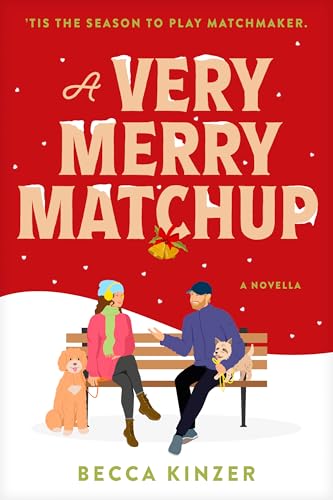
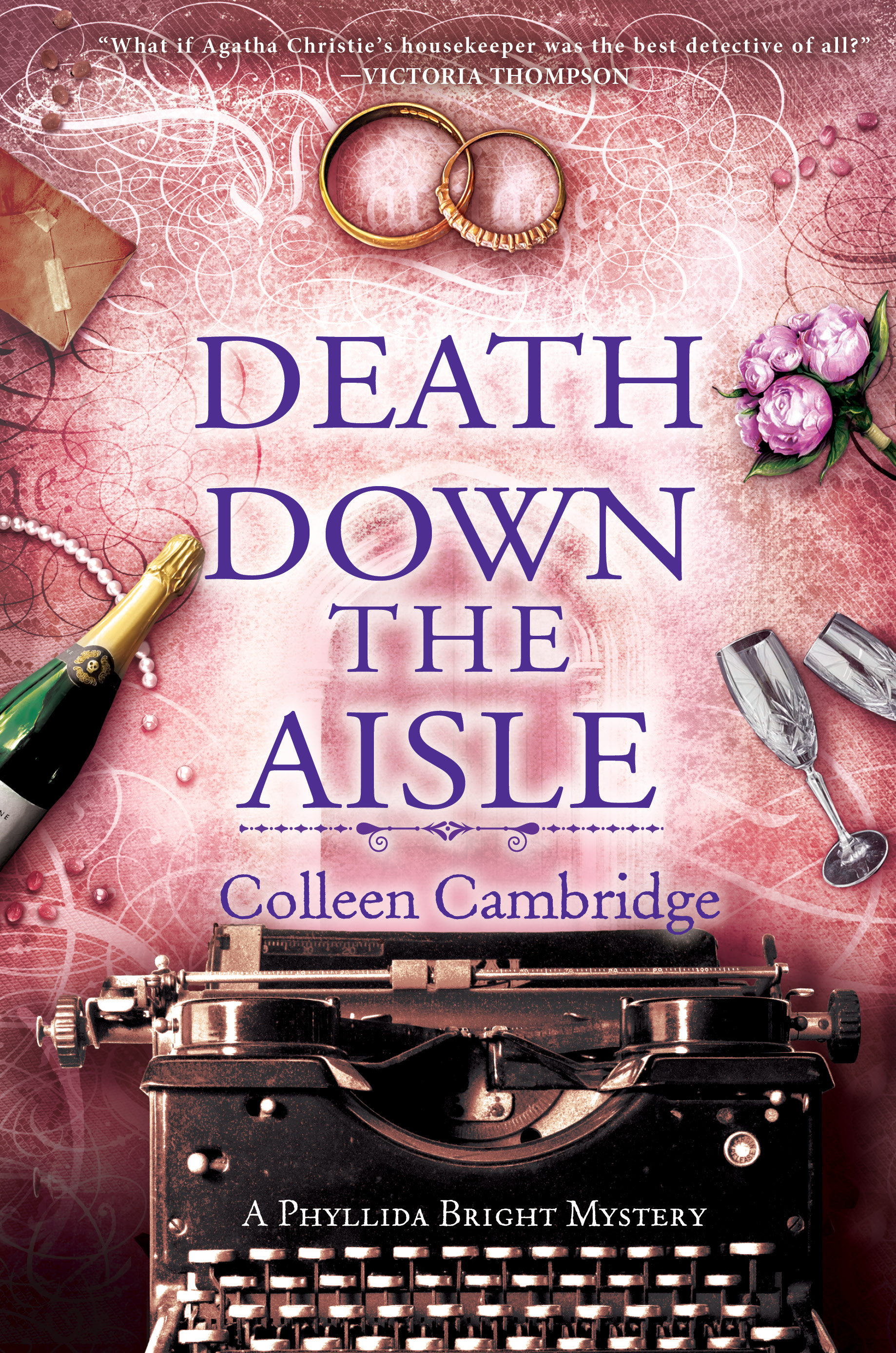
A Very Merry Matchup, Becca Kinzer
Tyndale House Publishers, 9781496489067
Giveaway Options: US – ebook, Canada – ebook or audible, International – ebook with a US Kindle account
If there’s one thing travel nurse Ivy West prides herself on, it’s her matchmaking skills. She’s even convinced she knows her own perfect type, a man who, unlike her parents, isn’t traveling the country for the sake of a career. It doesn’t matter Ivy hasn’t met him yet. She’s sure she will in a few years. At least, it’s one of her goals. Then Beau Wall—a minor league baseball player with his sights set on the big leagues—lands in the hospital, and there’s an undeniable spark between them. No need to worry. Ivy will just match him up with her friend Lucy, and she won’t be tempted to date him herself.
A few months later, Ivy’s convinced everything’s gone perfectly when she hears Lucy’s engaged. But when Ivy arrives to spend Christmas in Iowa and celebrate the engagement, there’s one little problem. Lucy has set her up. Sure, Lucy’s engaged, but not to Beau. And Beau isn’t about to lose this unexpected shot at winning Ivy over. Neither are his mom and grandma who also try to throw the two together.
Amid twinkling Christmas lights and hours spent watching holiday movies, Ivy finds herself falling for Beau. Maybe it’s time she ditched her plans . . . because it’s looking like Beau might be her perfect match after all.
A clean, sweet love story for readers who enjoy holiday romances by Courtney Walsh, Jenny Bayliss, and Sheila RobertsA standalone Christmas novella for fans of cozy Christmas movies and opposites-attract sports romances https://kavsbestreads.ca/2026/08/28/a-very-merry-matchup-giveaway/
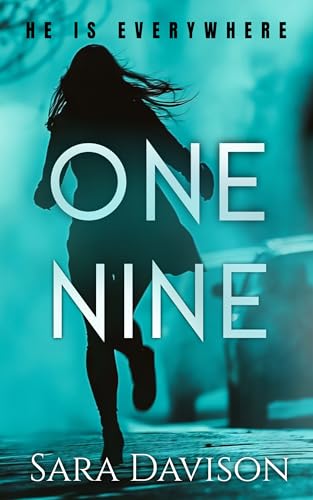
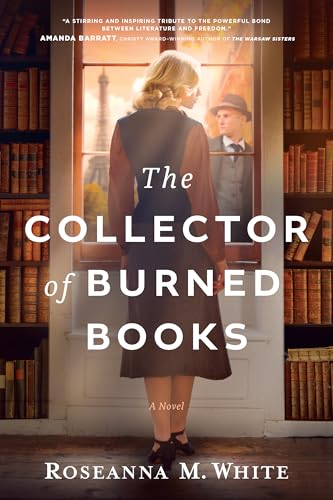
One Nine, Sara Davison
Sara Davison, 9781069326928
Giveaway Options: US – paperback or ebook, Canada – paperback or ebook, International – ebook with a US Kindle account
Detective Chase Washington knows Brooke Turner is guilty of murdering her best friend. What he can’t comprehend is how she has managed to elude capture for six months. With Lenora Chambers’ blood calling out to him from the ground, Chase will stop at nothing to find Brooke Turner and bring her to justice.
When he finally tracks her down, nothing is as black and white as Chase thought. Lost in the wild with no way to communicate with the outside world and another possible suspect on their trail, Chase and his prisoner have become the prey in a desperate quest to survive.
Fans of riveting, edge-of-your-seat suspense with clean romance and spiritual truths will love this fast-paced offering. https://kavsbestreads.ca/2026/01/21/one-nine-giveaway/
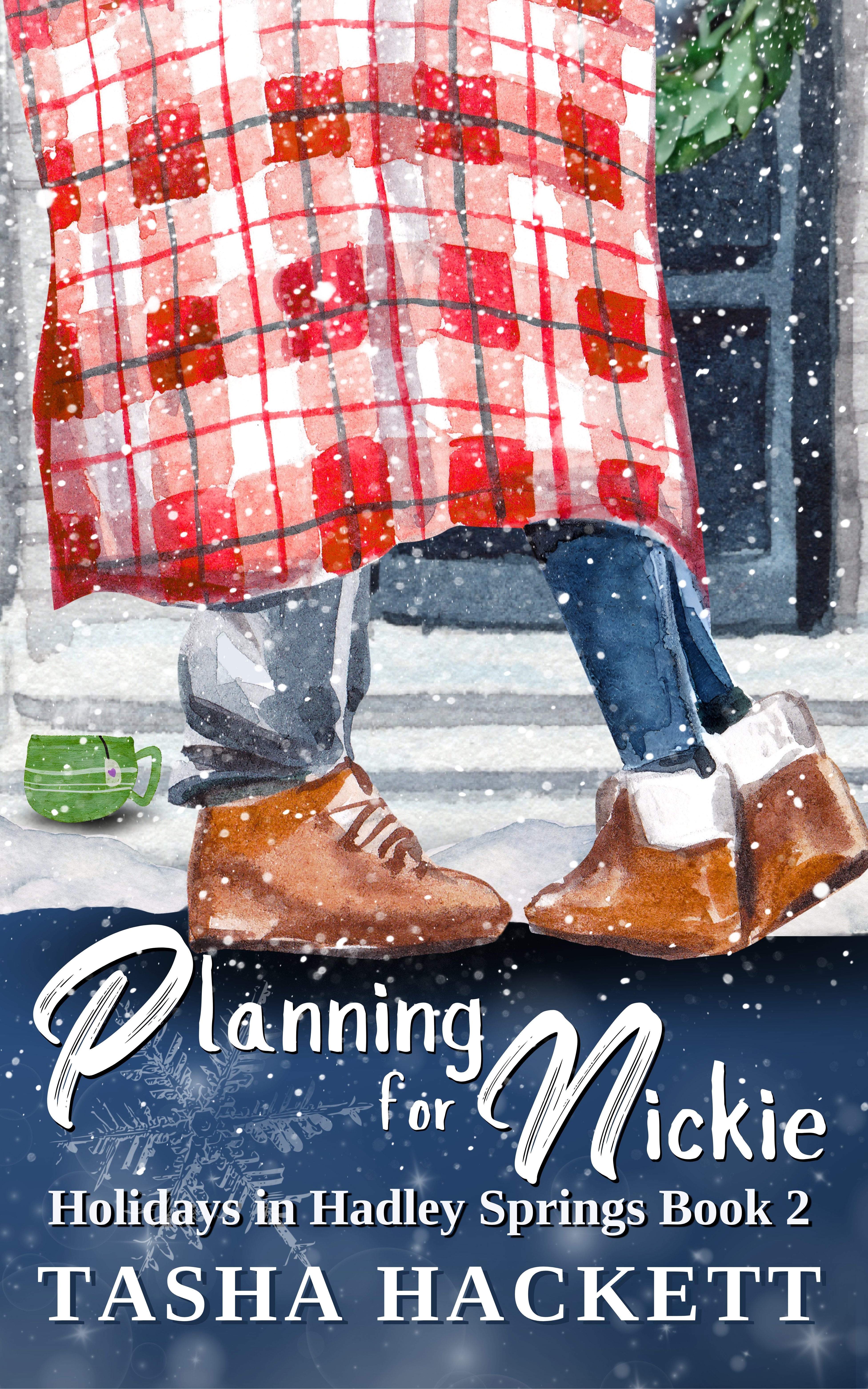
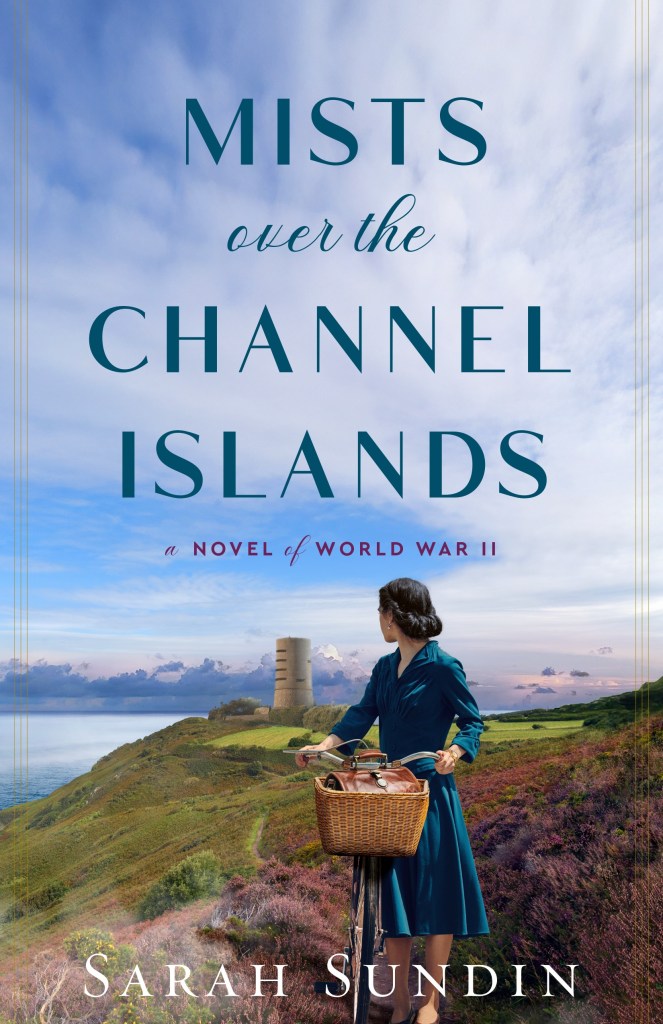
Planning for Nickie, Tasha Hackett
Tasha Hackett, 9781965778043
Giveaway Options: US – paperback or ebook, Canada – paperback or ebook, International – ebook with a US Kindle account
“Fifty-three weeks is plenty of time to find a wife. One week to plan, fifty-two to execute.”
Career-obsessed Mark is history. From now on, my heart is open and ready for a family. No more fifth wheel. No more working alone through dinner in restaurant booths.
Solo Mark is out. Family man is in. As with every challenge, I’ve divided the task into a step-by-step process. While on holiday in Hadley Springs, Nebraska, I drafted the twelve-month plan. I included a detailed description of what I’m looking for and a spreadsheet for the expected timeline. Project: Find-A-Wife will commence as soon as I return home to Phoenix.
It’s all well and good until I join my cousins on a blizzard walk for a few donuts.
Who knew a chance encounter with a scrubs-wearing, sweet-smiling, schedule-wrecking woman would derail my life so efficiently?
To Do…
1. Review the plan
2. Drink coffee3. Find a wife
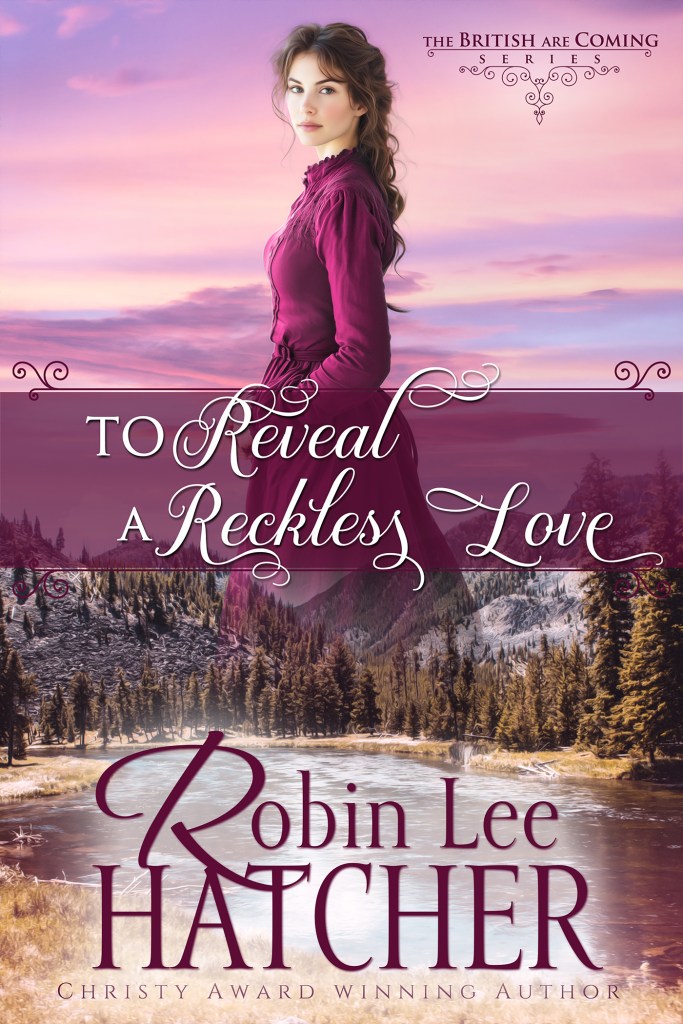
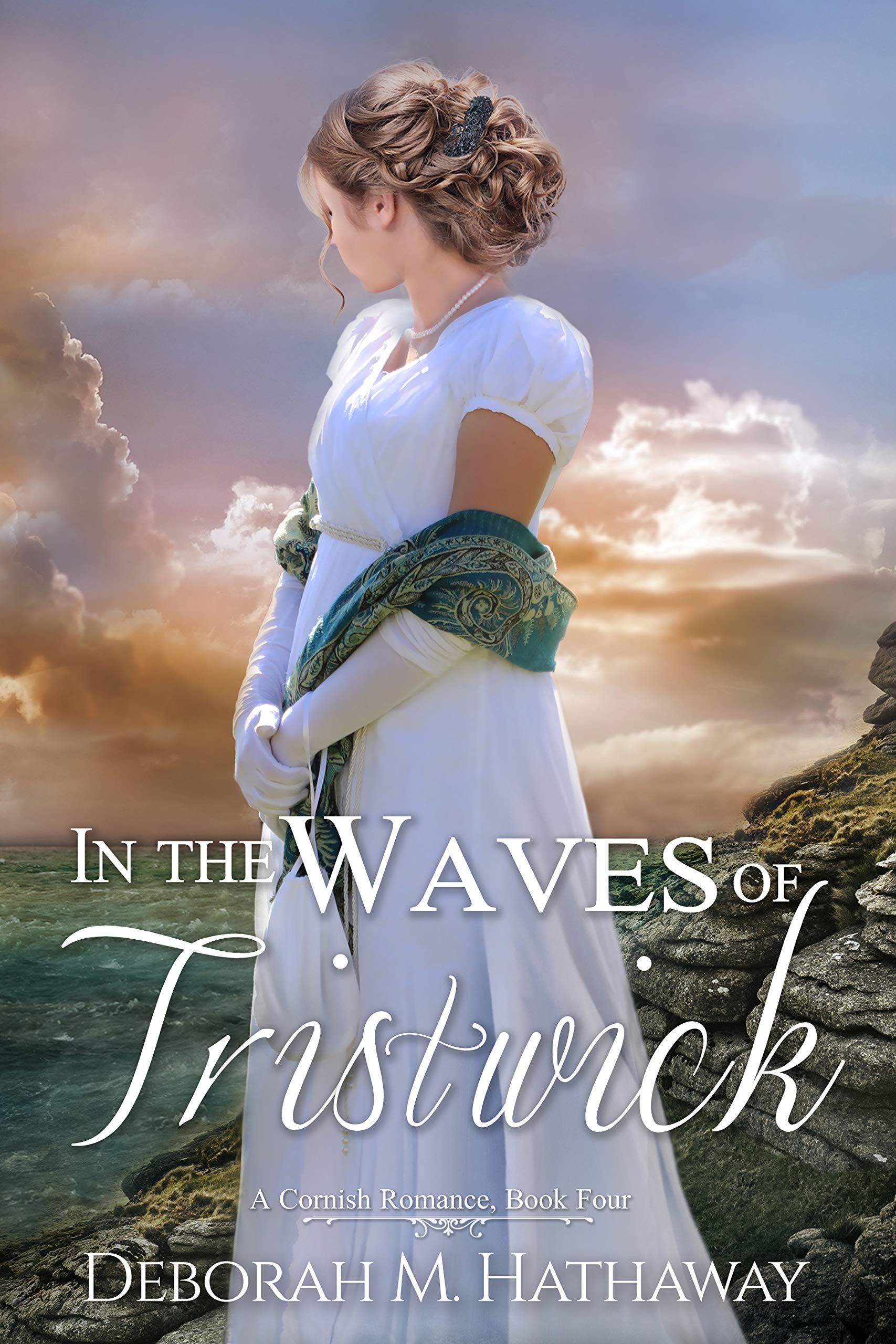
To Reveal a Reckless Love, Robin Lee Hatcher
RobinSong, Inc., 9781962005173
Giveaway Options: US – paperback or ebook, Canada – paperback, ebook or audible, International – ebook with a US Kindle account
In a desperate attempt to find her missing brother, Victoria Castleton leaves behind the comforts of Boston for the wild beauty of Yellowstone National Park. Her search leads her into the path of Roger Bernhardt—a gifted British artist with a guarded heart. What begins as a chance meeting soon becomes a journey neither expected.
Roger came to America seeking inspiration, not entanglement. But from the moment he sees Victoria’s determined gaze, he’s drawn to her quiet strength—and the mystery of the brother she’s willing to risk so much to find.
As their path leads from the wonders of Yellowstone to an Idaho ranch called Eden’s Gate and the small town of Gibeon, Victoria and Roger discover that God’s plans often look nothing like their own. When danger threatens the town and hearts are tested by fear and longing, they must decide if the love growing between them is only temporary—or the home they’ve both been searching for.
A story of second chances, steadfast love, and the courage to follow where God leads.
Draw will be held and winner announced on Saturday October 31 (after 12 pm) REMEMBER TO CHECK GIVEAWAY EDITION AVAILABILITY FOR EACH TITLE!